Is Your Dog Secretly Still a Puppy? Vets Say These 6 Signs Give It AwayBeth
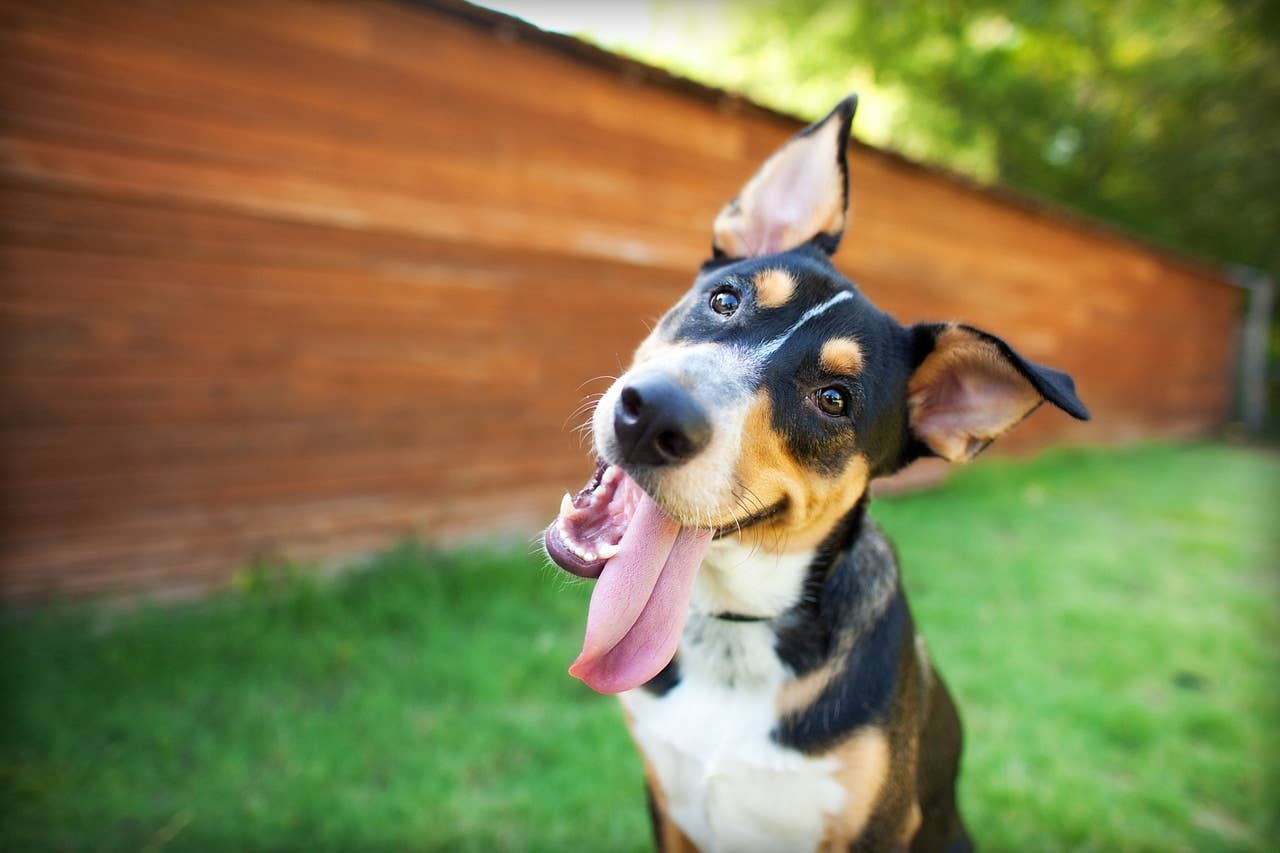
(Getty Images TheDogPhotographer)
For some dogs, “Forever Young” isn’t a song title or slogan. So, if you’ve ever wondered, “Do dogs keep their puppy personality as they get older?” the answer is yes, well, at least for some playful dog breeds it’s just a way of life for them. In fact, Dr. Hilary Humm-Beatty, DVM, a veterinarian at Embrace Pet Insurance, says some canines have the soul of a puppy, no matter their age. While puppy-like behaviors in adult dogs can vary, she notes that large and giant breeds, terriers and athletic, high-drive working dogs often are young at heart.
But the signs your dog has the soul of a puppy (no matter their age) aren’t just found in certain breeds. These personality traits are vibes you have to watch out for as a pet parent.
Dr. Humm-Beatty describes dogs with puppy energy as “fun-loving, high-energy dogs that are always ready for a romp around the house with their squeaky toy, a playdate with their kids or pet buddies or a long hike.”
Having a companion with this temperament may not be the right fit for all dog lovers, but if you want a pet who can be active and keep up with you, you’ll be a great fit. “It is amazing to have a dog who is always ready for an adventure and play and who seems to communicate their enthusiasm for life with their bright eyes, busy mind and wagging tail and body,” Dr. Humm-Beatty says.
To find out 6 signs your dog is still a puppy at heart, keep reading. You’ll see that they prove that age is mostly just a number, especially if you notice your senior dog doing some of these cute and playful behaviors.
Related: 7 Dog Breeds That Keep Their Puppy-Like Playfulness Long After They’re Fully Grown, According to Experts
6 Signs Your Dog Is Still A Puppy at Heart
Some dogs seem to define “fountain of youth” because of their personalities. Dr. Humm-Beatty shares what these dog behaviors are, plus how to keep your pups happy through their prolonged puppyhood.
Your dog seems to have matured slower
It’s not an insult. Dr. Humm-Beatty says that some breeds, like Labs and Golden Retrievers (and mixes), tend to mature more slowly. In other words, you may be wondering, “When do dogs mature?” For some breeds, the answer isn’t as soon as you might expect. That’s why they keep their high play drive and curiosity for a while after their first birthday. This kind of pup can be fun and challenging to have.
Slow-maturing dogs may continue to show puppy-like behavior well into adulthood, which can mean plenty of energy, curiosity and a strong desire to play.
“Pet parents need to make sure they are providing lots of exercise and training to these dogs well past 1 year of age in order to provide proper stimulation and avoid behavior issues,” Dr. Humm-Beatty says.
They have endless energy for adventures
Do you have an active dog who loves to explore? If so, Dr. Humm-Beatty says that dogs with young souls are usually “always ready for an adventure and have boundless energy to see the fun through to the end.”
“Whether that’s following their pack of children around the yard all afternoon making mud pies or trekking up a trail on a mountain,” Dr. Humm-Beatty says.
So what dog breeds are athletic and fun-loving? Dr. Humm-Beatty says Retrievers, Border Collies, Australian Shepherds, Cattle Dogs and Pointers (and mixes) are among breeds that fit this bill.
Your pup is always ‘up to something’
Every night is mischief night for some playful dogs. Dr. Humm-Beatty says pets with forever-puppy energy are often curious and smart. Think terriers and cattle dogs, as they often fall into this group.
“Mental stimulation is very important to keep dogs using their smart brains to complete challenging tasks, to prevent boredom and destructive attempts to find a game of their own,” Dr. Humm-Beatty says. “Many interactive puzzles and treat-dispensing toys are fantastic for helping these dogs find controlled mischief!”
Related: 7 Signs Your Puppy Is Becoming Attached to You That Will Make Your Heart Melt, According to Experts
They love being the center of attention
Perpetual puppies don’t mind if all eyes are on them, whether they’re at home, playing or in a training class.
“These dogs will grab a sock and prance around in front of you, bark in the middle of obedience class for no obvious reason other than to get attention or follow you around from room to room, ready to play,” Dr. Humm-Beatty reports.
Your dog loves to play
Some dogs, especially working, sporting and terrier breeds, continue to show puppy-like behavior well past traditional puppyhood. Dr. Humm-Beatty says they’re often great fits for active families who can help them get the play, exercise and activity they need. She suggests ensuring these dogs get 60-90 minutes of intentional exercise daily, plus training classes past one year. Home training, puzzle activities and doggie playdates can all fill these pups’ cups.
So how much exercise does a dog need? The answer depends on the individual dog, but keeping an energetic adult dog mentally and physically engaged can help prevent boredom and unwanted behaviors. That said, make sure they have time to decompress.
“Sometimes we think they just need more activity when they’re excited and having the zoomies, but often they need a quiet place to rest and settle,” Dr. Humm-Beatty notes.
Source:
Dr. Hilary Humm-Beatty, DVM, a veterinarian at Embrace Pet Insurance
This story was originally published by Parade Pets on Oct 23, 2026, where it first appeared in the Dogs section. Add Parade Pets as a Preferred Source by clicking here.
Source: Nature



0 Comments